
Your Plate Is Part of the Plan
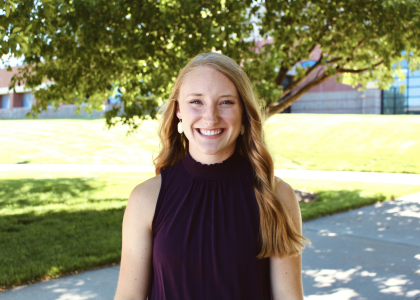
By Hannah Harrison, MMN, RDN, LMNT
How GLP-1 Medications Work
While healthy eating and regular physical activity are the foundations of weight management, your health care provider may recommend a GLP-1 medication to help with weight loss.
GLP-1 is a hormone your body naturally releases after you eat. It slows digestion, helps you feel full, and supports healthy blood sugar levels after meals. GLP-1 medications work by acting like this hormone. They can reduce appetite, help you feel full longer, improve blood sugar control, and decrease frequent thoughts about food, often referred to as food noise. These changes may make it easier to follow healthy eating habits.
Getting the best results from a GLP-1 medication still takes healthy habits. It is important to eat enough protein, choose nutrient-dense foods, stay hydrated, and participate in do regular strength training. These medications can also cause side effects including nausea, vomiting, heartburn, constipation and diarrhea. The goal is to support your health by eating enough nutritious foods while achieving safe weight loss.
Build and Protect Muscle
Include a source of protein at each meal and snack. If you notice you are feeling full quickly, eat your protein first. Protein helps protect muscle during weight loss, which is important for strength, balance, and bone health.
Protein choices include lean meats, poultry, seafood, nuts, seeds, cottage cheese, Greek yogurt, protein drinks and other low-fat dairy foods. Strength training is also essential to help your body use protein to build and maintain muscle.
Make Every Bite Count
When you are feeling less hungry, it is even more important to prioritize foods rich in vitamins, minerals, protein, fiber and other nutrients.
Try snacks like Greek yogurt and fruit, an apple with string cheese, avocado on whole-grain toast or a hard-boiled egg with whole-grain crackers. Choose a variety of vegetables, fruits, whole grains, beans, nuts, seeds, low-fat dairy or fortified dairy alternatives, and lean protein.
If you are not feeling hungry, try setting scheduled times to eat and avoid skipping meals. Eating enough helps the medication work better and minimizes side effects.
Manage Common Side Effects
GLP-1 medications may cause nausea, vomiting, heartburn, constipation or diarrhea.
To manage nausea or vomiting, eat smaller meals more often, eat slowly and limit greasy or sugary foods. For heartburn, remain upright after meals and avoid greasy foods.
To help prevent constipation, gradually increase fiber from whole grains, fruits, vegetables, seeds, and beans; drink 64 to 96 ounces of water daily; and stay active.
If diarrhea occurs, drink plenty of fluids to stay hydrated and avoid large, greasy meals.
GLP-1 medications can be a helpful tool, but they work best when combined with healthy eating, regular physical activity and ongoing support from your health care team. Work with your health care team to create a plan that fits your needs, including how to maintain healthy habits if you stop taking the medication.
A registered dietitian can help you build lasting nutrition habits that support your health and long-term weight management. Remember, your health is more than the number on the scale.
To learn more about nutrition while taking a GLP-1 medication, contact Hannah Harrison, registered dietitian at Gothenburg Health, or speak with your primary care provider.