
Understanding Menopause: Managing Menopause for Long-Term Health
(Part Three of a Women’s Health Month series)
As Women’s Health Month ends, the importance of understanding menopause does not. Healthcare providers are reminding women that menopause is about more than short-term symptoms. It can have lasting effects on a woman’s overall health. The good news: with the right information and care, women can take steps to protect their health for years to come.
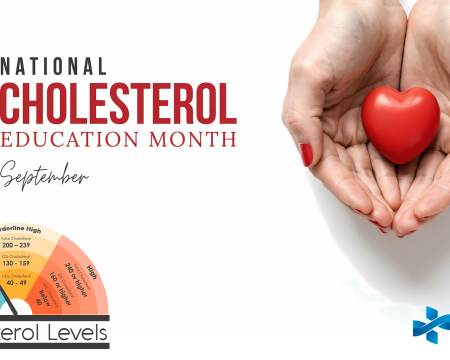
After menopause, the risk for certain conditions increases including heart disease, bone loss and changes in metabolism. According to The Menopause Society, most cardiovascular disease (CVD) in women develops in the years following menopause. Cholesterol levels often rise during this time, and entering menopause early can increase risk factor. Despite advances in care, one in three U.S. women will die of heart disease, and more women die of CVD than men.
Some research suggests certain estrogen-based therapies may help support heart health for some women, though treatment decisions should always be individualized.
The Menopause Society recently supported the FDA’s announcement to remove boxed warnings on low-dose vaginal estrogen therapies, noting they are a safe and effective option for many women. However, other forms of hormone therapy may carry risks, especially for women as they age. That’s why regular check-ins, personalized risk-benefit discussions and consideration of nonhormone alternatives are important.
“Perimenopause looks very different for everyone, so your experience can be very different from somebody else’s,” said Dr. Kayla Knauss of Gothenburg Health.
“There is really a lot of information out there, and sometimes it’s hard to pick through what is true and what you should follow. I always encourage patients to talk to their provider.”
Care may include a combination of approaches, from hormone and nonhormone therapies to preventive screenings, all tailored to individual needs. During perimenopause and after menopause women can be supported by lifestyle factors such as nutrition, physical activity and mental well-being, along with preventive screenings and monitoring.
Gothenburg Health offers several resources to help women take a proactive approach. Direct Access Testing (DAT) includes lab work for heart health and hormone levels, while a Cardiac Calcium Scoring CT scan can help assess cardiovascular risk. These tools give women a clearer picture of their health and help guide conversations with their provider.
Women who are nearing or experiencing menopause are encouraged to talk with their primary care provider or an OB/GYN about symptoms, risks and care options. To learn more or schedule services, contact Gothenburg Health. Taking action today can support long-term health and well-being.