
Understanding Menopause: What Women Should Know During Women’s Health Month
Menopause is a natural stage of life, but for many women it can bring changes that affect daily comfort, confidence, and overall health. During Women’s Health Month, healthcare providers at Gothenburg Health are encouraging open conversations about menopause—what it is, when it happens, and how women can find support along the way.
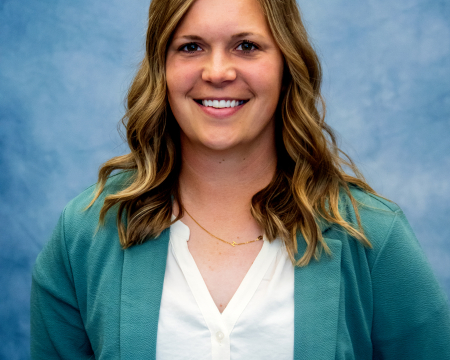
Dr. Tyler Adam, a visiting OB/GYN provider who comes to Gothenburg Health’s specialty clinic twice a month, explains that perimenopause is the transition period leading up to menopause. During this phase, hormone levels fluctuate and women may notice symptoms such as hot flashes or changes in their menstrual cycles.
“You don’t need to suffer,” Dr. Adam said. “If your life is affected by your symptoms, we have safe, reasonable options.”
At Gothenburg Health, that support is expanding. Dr. Anna Dalrymple and Dr. Kayla Knauss are receiving additional training in menopause care, helping ensure patients have access to up-to-date guidance close to home.
Menopause is defined as 12 consecutive months without a period, typically occurring between ages 45 and 55, with the average age at 51. The transition leading up to it, known as perimenopause, is when symptoms often begin.
Hot flashes are the most common symptom, Dr. Adam said, but others can include night sweats, abnormal bleeding, vaginal dryness, pain during intercourse, and urinary changes. According to the Menopause Society, hormonal shifts can also contribute to migraines, depression, and “brain fog,” with 40% to 60% of midlife women reporting issues like forgetfulness and difficulty concentrating.
The Menopause Society also highlights genitourinary syndrome of menopause (GSM)—a group of symptoms tied to declining estrogen that affect vaginal and bladder health.
Maintaining a healthy weight is another key factor. According to the organization, losing just 5% to 10% of body weight can improve cholesterol, blood pressure, blood sugar, liver function, and overall daily well-being while reducing chronic pain.
With so much information circulating in the media, it can be difficult to know what’s accurate or appropriate. That’s why providers emphasize the importance of individualized care.
Each woman’s experience with menopause is unique, and treatment options from lifestyle changes to medical therapies should be tailored to her needs and health history.
Women are encouraged to speak with their primary care provider and consider seeing an OB/GYN to better understand their symptoms and explore personalized care options. From lifestyle changes to hormone and non-hormone therapies, there are effective, individualized approaches available.
If menopause symptoms are affecting your daily life, don’t wait. Talk with your provider or specialist to explore options and find relief. You don’t have to navigate menopause alone.