
“What could possibly go wrong with that?”
By Mary Lou Block, RDN
Said in humor, “What could possibly go wrong with that?” is a question that opens the door to a more serious conversation, often containing a long list of “wrong with” things someone, like your junior high student, needs to know.
What does this have to do with nutrition? Consider a similar statement we could make this summer, “Oh, I am drinking water with sugar and high fructose corn syrup for hydration.” What could possibly go wrong with that? Not much really, unless you’re bothered with facts.
Facts:
- 24% of all US Added-Sugar Consumption is sugar sweetened beverages.
- High consumption of sugar sweetened beverages (1-2 servings/day) is associated with development of Diabetes and Metabolic Syndrome.
- Sugar sweetened beverages include pop, fruit drinks, sweetened tea and energy/vitamin drinks.
The Breakdown:
The sweeteners in these beverages, table sugar and high-fructose corn syrup (HFCS), are comprised of the simple sugars, glucose and fructose.
You may be familiar with the immediate effects of glucose on blood sugar and insulin, promoting fat storage and subsequent insulin resistance and diabetes, but the effect of fructose is more sinister.
Fructose occurs naturally in fruits, juices, honey etc., but nowhere is the payload of fructose as great as that delivered by sugar sweetened beverages. Fructose was initially considered a benign sweetener because it has slower effects on blood sugar and insulin. But eventually, the dark side of fructose sweeteners became apparent, the effect on the liver.
Liver cells are the sole metabolizers of fructose. Overly consumed fructose is converted to and slowly stored as fat in the liver, leading to non-alcoholic fatty liver disease.
This is significant information for those trying to avoid, or struggling with, obesity and diabetes. Fructose-induced fatty liver is dangerous. It creates insulin resistance, which in turn predicts obesity and blood sugar issues. If your provider has stated that you show signs of fatty liver, avoid sugar sweetened beverages completely.
Summer hydration motivators:
- Risk of dehydration is higher in the summer.
- A slight decrease in hydration (1.36%) is associated with depression, headache, and deterioration in mental performance.
- A 1-2% dehydration decreases alertness and concentration.
- Mild dehydration increases tiredness.
Hydration tips:
- Begin your day with 16 oz. of room temperature water. Room temperature allows you to drink it quickly, setting the stage for good hydration the rest of the day. Add a pinch of Celtic Sea Salt if you tend toward low blood pressure (check with your provider).
- Water or sun tea + fresh squeezed lemon.
- Infuse water with fruit, vegetables, herbs.
- Carry your water bottle.
Putting this into practice:
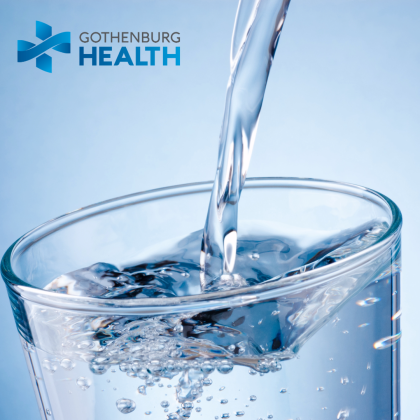
Don’t mix hydration with sugar or HFCS. Instead, have a nice tall glass of lemon-flavored iced water, “What could go wrong with that?” You won’t be missing a thing, except high blood sugar and eventually fatty liver.
Sources:
The Deadly Effects of Fructose - by Dr. Jason Fung